Designing Sacred Spaces for Evolving Communities
A growing faith community often reaches a point where the building that once served them well starts to hold them back. Worship services feel crowded, older members struggle with stairs and long walks from parking, and there is no comfortable place for weekday classes, support groups, or community meals. Leaders see new ministry opportunities, but the facility is rigid, dated, and expensive to operate.
Religious facility architects help congregations move from this kind of pressure-point to a clear, achievable vision. Our role is to translate spiritual values, traditions, and practical needs into places that feel welcoming, intuitive to move through, and deeply meaningful. Modern faith communities typically need one campus to support worship, learning, outreach, and fellowship, often all happening at the same time.
Thoughtful design becomes a long-term investment in well-being and community strength. When buildings reflect a congregation’s identity and mission, people are more likely to participate, invite others, and stay connected through life’s transitions. At SAAarchitects, we see religious facilities as living environments that should adapt gracefully to demographic shifts, new technologies, and evolving community needs.
Translating Faith, Culture, and Mission Into Built Form
Effective religious design starts with listening. Before we sketch a single line, we spend time with clergy, lay leaders, and congregants to understand:
- Worship styles and liturgical traditions
- Cultural practices, holidays, and sacred objects
- Long-term goals for ministry, outreach, and education
- Stories and memories tied to the existing building
Aligning architecture with theology and practice is essential. The way people enter, gather, and move through a worship space carries meaning. We look closely at:
- Processional paths and how people experience arrival
- Orientation of the worship space and focal points for prayer
- Acoustics that support spoken word, choir, and contemporary music
- Integration of art, daylight, and views that support reflection
Many congregations want to honor their heritage while welcoming new generations. Architectural design can respect historic character by preserving recognizable elements, while introducing:
- Flexible seating instead of fixed pews in some areas
- Updated lighting that supports both quiet worship and multimedia services
- Contemporary materials that are durable and easy to maintain
For multigenerational and multicultural congregations, inclusive design is a core priority. Clear wayfinding, welcoming gathering spaces, and intuitive layouts help new visitors feel at ease, regardless of language or background. When mission and design are aligned from the beginning, facilities more naturally support counseling, education, food distribution, and other services that extend far beyond weekly worship.
Balancing Reverence, Function, and Everyday Use
Many congregations need a facility that feels sacred on weekends and extremely practical during the week. That balance is not accidental; it requires careful planning.
Religious facility architects think in terms of zones and circulation. We organize sanctuaries, fellowship halls, education wings, and administrative areas so they can:
- Operate independently when only part of the building is in use
- Open up and connect for major holidays, conferences, or community events
- Share support spaces, such as restrooms and storage, without congestion
Flexible spaces are especially valuable. Movable partitions, stackable or movable seating, and multipurpose furniture make it possible to host a small prayer group in the same room that later supports a large banquet or youth event.
Behind the scenes, practical needs shape daily experience. Well-planned facilities account for:
- Generous, discreet storage for seasonal décor, chairs, and supplies
- Built-in audiovisual infrastructure that supports streaming and projection
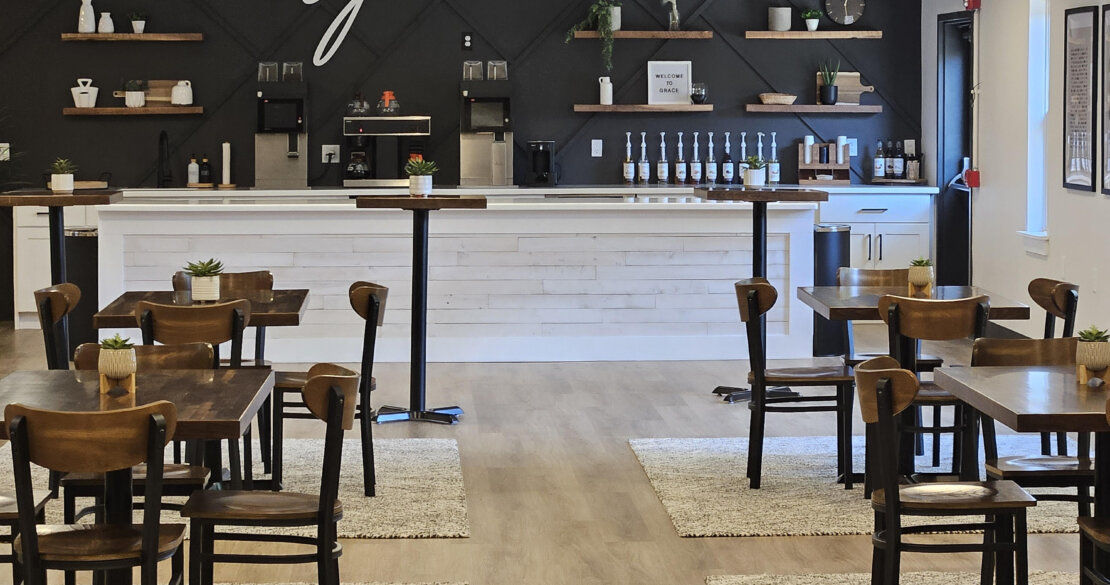
- Hospitality zones for coffee, shared meals, and informal conversations
- Secure, clearly supervised children’s areas with controlled access
When circulation, storage, and support systems are thoughtfully arranged, staff and volunteers can work more efficiently. The building becomes easier to manage, and users experience a sense of calm and reverence instead of chaos and clutter.
Designing for Accessibility, Safety, and Well Being
Inclusive access is a spiritual value as much as a design standard. From the outset, we consider mobility, sight, hearing, neurodiversity, and aging in place so that people of all abilities can fully participate.
Key strategies often include:
- Barrier-free entries and gentle, clear paths from parking to front doors
- Intuitive wayfinding through signage, color, and architectural cues
- Comfortable, varied seating options in worship and gathering spaces
- Assistive listening systems and visual displays for those with hearing loss
Well-being is shaped by more than access alone. Natural light, good acoustics, indoor air quality, and views to nature all influence how people feel in sacred spaces. Thoughtful orientation and window placement can provide daylight while limiting glare on screens or lecterns. Acoustic design supports both quiet prayer and energetic music without overwhelming echo or noise transfer.
Safety and security are also part of responsible design. Current practice emphasizes subtle protection that does not make a facility feel closed off. We work with:
- Clear sightlines in lobbies, corridors, and outdoor spaces
- Controlled access to sensitive zones, such as children’s areas and offices
- Entry sequences that allow staff or volunteers to welcome visitors calmly
When accessibility, safety, and well-being are considered together, facilities help build mental health and community resilience. Congregations can gather with confidence, feeling both secure and embraced.
Sustainability, Stewardship, and Future Growth
For many faith traditions, caring for the environment is an expression of stewardship. Religious facility architects help translate that value into practical strategies that lower long-term operating costs and reduce environmental impact.
Energy-conscious design focuses on:
- Efficient building envelopes that help manage heating and cooling loads
- High-performance HVAC systems and smart controls for different zones
- Lighting that combines efficient LED fixtures with daylighting opportunities
Other sustainable strategies often include:
- Durable, low-maintenance materials that age gracefully
- Water-saving fixtures and thoughtful landscape design
- Outdoor gathering areas that support contemplation and community events
For congregations with aging buildings, phased renovation can gradually improve comfort and efficiency without erasing history. Upgrading windows, insulation, lighting, and mechanical systems over time allows the facility to keep its character while performing better in everyday use.
Planning for future growth is closely tied to stewardship. Through master planning, we help congregations look beyond immediate needs and imagine how the campus might evolve. This process might involve:
- Mapping potential future additions and outdoor spaces
- Designing structural grids and utility pathways that can handle expansion
- Providing technology backbones to support hybrid worship and digital ministry
Adaptable classrooms, gathering spaces, and outdoor areas can later serve ministries and partnerships that do not exist yet. With thoughtful planning, each phase of development fits into a coherent whole, protecting investments and minimizing disruption.
Partnering with Architects to Shape Enduring Sacred Places
Religious facility projects are most successful when architects and congregations see each other as partners. Our role at SAAarchitects is to help faith communities clarify how their theology, culture, and mission translate into space, then guide that vision through planning and technical coordination.
Religious facility architects contribute by:
- Listening and leading visioning sessions with diverse stakeholders
- Translating values into spatial concepts, materials, and forms
- Addressing building codes, accessibility standards, and life safety needs
- Coordinating engineers and specialists to keep projects aligned with budget and schedule
Engaging architectural partners early, even before funding is fully in place, allows for feasibility studies and phased strategies that support realistic decisions. Over time, thoughtful, sustainable, and inclusive religious facilities become more than buildings. They grow into enduring landmarks of hope and gathering, supporting worship, service, and connection for generations.
Get Started With Your Project Today
Our experienced religious facility architects are ready to help you create a worship space that reflects your congregation’s mission, values, and future growth. At SAAarchitects, we listen closely, collaborate with your leadership, and translate your vision into thoughtful, functional design. If you are ready to explore possibilities for a new facility or renovation, reach out and let us guide you through the next steps. You can contact us today to start the conversation.