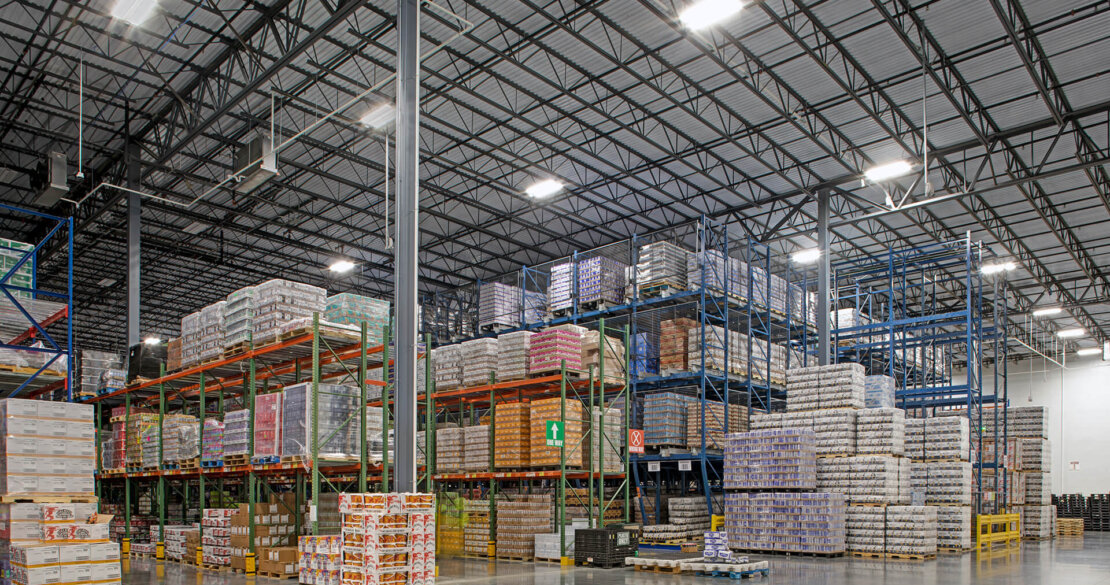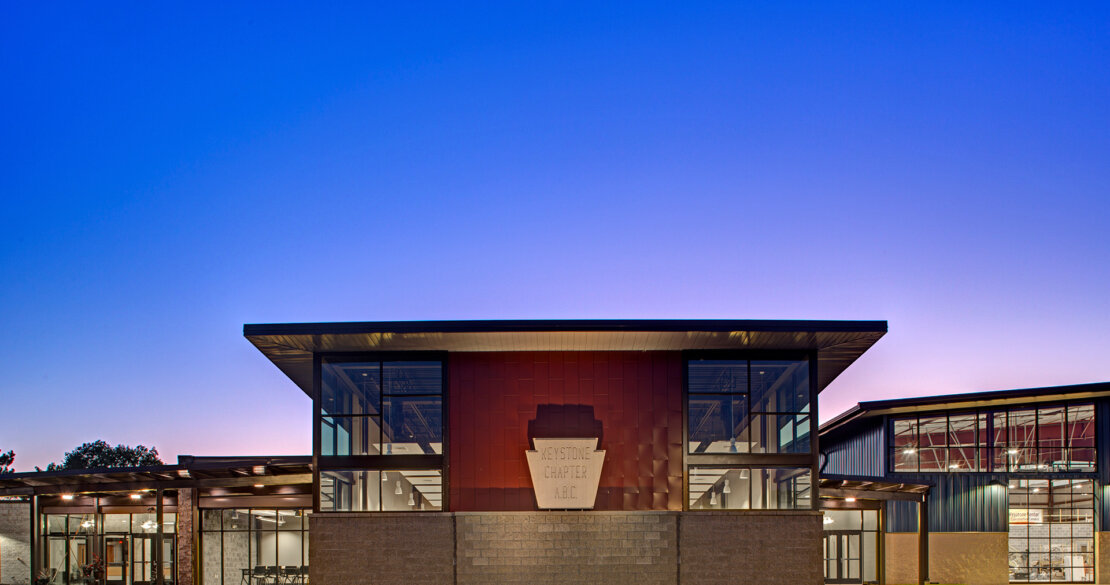
Not every great building needs to be replaced. In many cases, the best path forward is rethinking what already exists.
Across cities, suburbs, and historic downtowns, older buildings can sit underused despite occupying valuable locations and offering architectural character that newer construction cannot replicate. Former warehouses, schools, mills, civic buildings, and storefronts may no longer serve their original purpose, but that doesn’t mean their usefulness has ended.
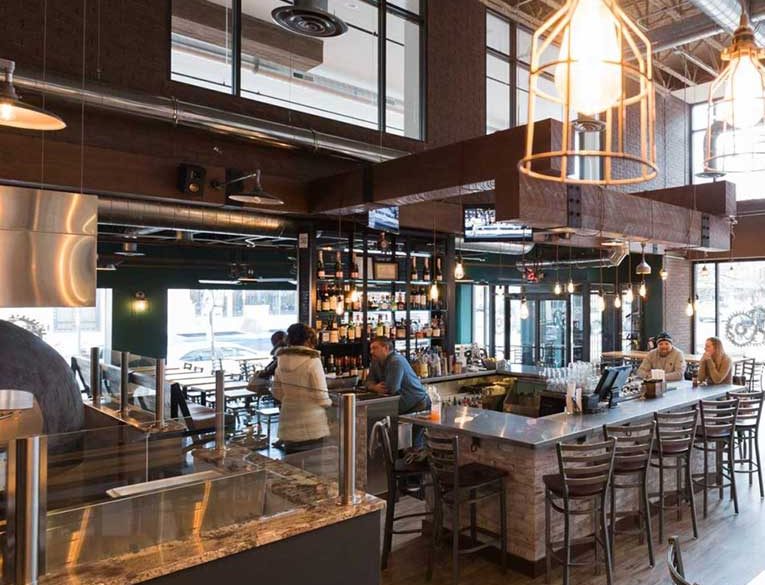
With adaptive reuse architecture, these buildings can become affordable housing, offices, hospitality spaces, cultural venues, or mixed-use destinations built for today’s needs.
This approach also supports sustainability, strengthens communities, and creates new economic opportunities.
For property owners, developers, municipalities, and communities alike, adaptive reuse is increasingly one of the most valuable strategies in modern architecture.
What Is Adaptive Reuse?
Adaptive reuse architecture is the process of taking an existing building and redesigning it for a new purpose. Unlike a basic renovation, adaptive reuse involves a complete repositioning of how the property functions.
This work requires careful design thinking. Every older building comes with constraints, opportunities, and a story. Great adaptive reuse design finds ways to meet modern expectations while respecting the structure’s original identity.
Why Adaptive Reuse Is Gaining Traction
The demand for adaptive reuse is booming. In 2024 through 2025 alone, 53,000 apartments were constructed in the U.S. through adaptive reuse.
Many communities are prioritizing redevelopment over sprawl. Instead of expanding farther outward, they want to revitalize established districts, improve walkability, and reinvest in existing neighborhoods.
Additionally, older buildings often occupy desirable sites. They may sit near transit, in downtown cores, or along active commercial corridors where land is limited, and new construction can be more difficult or expensive.
Tenants, residents, and visitors are increasingly responding to authentic environments. Buildings with history, texture, and character often create stronger emotional connections than generic new spaces.
Finally, many owners are also seeking more sustainable and cost-efficient development models. Reusing what already exists can significantly reduce waste and conserve resources.
Sustainability Starts with What Already Exists
One of the top benefits of adaptive reuse is environmental responsibility.
Every existing building contains embodied resources, including materials, labor, and energy already invested in its construction. When a structure is demolished, much of that value is lost. New construction then requires additional raw materials, transportation, manufacturing, and energy use.
Adaptive reuse design preserves and extends the life of major building components such as foundations, framing, masonry walls, and structural systems. This can reduce embodied emissions by 46% and lifecycle emissions by 19%.
Smart and sustainable upgrades can further improve long-term performance, including:
- Efficient heating and cooling systems
- Improved insulation and weather sealing
- LED lighting and controls
- Water-efficient plumbing fixtures
- Renewable energy integration where feasible
- Smarter building management systems
The result delivers the best of both worlds: an existing structure with renewed efficiency and long-term usability.
Historic Preservation Increases Value
Many older properties are landmarks, memory holders, and symbols of local identity.
A restored theater may reconnect a town with its cultural past. A renovated train station can become a civic centerpiece again.
Historic preservation architects bring critical expertise. Preservation involves understanding which elements matter most and integrating them into the property’s future.
That does not mean every feature must remain untouched. Many times, successful projects combine preserved historic elements with contemporary interventions. New entrances, upgraded interiors, accessible circulation, and modern systems can coexist with restored materials and original craftsmanship.
SAAarchitects made this possible through our Red Lion Table Company project. We transformed a 19th-century building into a mixed-use space, featuring 98 luxury apartments, a brewery and a coffee shop, while showcasing its original design features.
Economic Advantages of Repurposing Older Buildings
For owners and developers, repurposing historic buildings can create financial opportunities that new construction alone may not provide, including:
- Faster market differentiation
- Stronger neighborhood appeal
- Existing infrastructure advantages
- Incentive potential
- Long-term asset repositioning
While every project requires detailed financial analysis, adaptive reuse can benefit both communities and property owners.
Design Challenges That Require Expertise
Adaptive reuse can deliver remarkable outcomes, but it isn’t simple. Existing buildings bring unknowns that require experience and disciplined problem-solving.
Structural Limitations
Older buildings may require reinforcement, selective replacement, or new load strategies, depending on future use.
Code Compliance
Modern fire safety, accessibility, egress, and occupancy standards must be integrated into structures built under very different regulations.
Outdated Systems
Electrical, plumbing, and HVAC systems often need major modernization to meet present expectations.
Layout Constraints
Historic floor plans may not naturally support current circulation patterns or space needs. Creative planning becomes essential.
Hidden Conditions
Older buildings can reveal surprises once construction begins, from concealed damage to undocumented changes over time.
This is why architectural design for redevelopment should begin with strong due diligence and experienced leadership. The earlier issues are identified, the more effectively they can be addressed.
What the Process Looks Like
No two adaptive reuse projects are identical, but the strongest outcomes usually follow a time-tested framework.
- Building Evaluation: Architects assess structural integrity, site context, historic significance, and renovation potential.
- Goal Support: Owners clarify intended use, budget priorities, operational needs, and long-term objectives.
- Feasibility Studies: The team studies zoning, code requirements, market fit, and project constraints.
- Concept Development: Design options explore how the new use can function within the existing structure.
- Detailed Documentation: Technical drawings coordinate architecture, engineering systems, preservation scope, and construction requirements.
- Construction Support: During implementation, the design team helps solve field conditions and protect project quality.
This process reduces risk while creating room for innovation.
Why Experienced Architects Matter
Adaptive reuse asks more from an architect than designing on a blank slate. It requires the ability to read an existing building, understand what should be preserved, and identify how change can happen without erasing character.
It also demands collaboration. Reuse projects often involve owners, municipalities, preservation boards, contractors, engineers, and community stakeholders. Strong communication is just as important as strong design.
Architects with experience in restoration and redevelopment help clients navigate complexity while keeping focus on outcomes.
The Future of Architecture May Already be Built
Some of the most exciting opportunities in design are not empty lots. They are the buildings already standing around us.
Through adaptive reuse architecture, communities can preserve identity, reduce environmental impact, revitalize neighborhoods, and create spaces ready for the future. Instead of discarding the past, we can build upon it.