Designing Commercial Buildings That Support Everyday Well-Being
Commercial building design has a direct impact on how people feel from the moment they start their day to the moment they head home. The way a lobby is lit, how fresh the air feels in a conference room, or whether there is a shaded place to sit outside, all of these details shape comfort, mood, and daily performance. When buildings support well-being, people are more likely to feel focused, calm, and connected.
On a typical summer workday in a Pennsylvania commercial district, people move in and out of offices, clinics, shops, and community spaces from early morning until late evening. Small design choices, like where the sun hits at 3 p.m. or how crowded a corridor feels at lunchtime, can quietly add stress or gently remove it. At SAAarchitects, we see well-being not as a special feature or a single wellness room, but as a mindset for commercial building design that supports health, connection, and long-term value for owners, tenants, and neighborhoods.
Thoughtful, sustainable architecture can:
- Improve comfort and focus
- Lower daily stress and confusion
- Strengthen social ties and neighborhood identity
- Support flexible use over many years
When buildings are designed this way, they do more than house activity; they help people thrive in the flow of everyday life.
Why Well-Being Belongs at the Center of Commercial Design
Expectations for commercial spaces have shifted. People want buildings that feel safe, comfortable, and human, not just efficient. This is especially clear in summer, when long daylight hours, higher temperatures, and heavier foot traffic put more pressure on lobbies, elevators, plazas, and parking areas. If a building feels stuffy or confusing at peak times, people notice quickly.
When well-being is at the center of commercial building design, building users experience:
- Stronger satisfaction with their workplace or destination
- Less fatigue and frustration in high-use areas
- A greater sense of belonging and pride in the place
For owners and developers, this mindset supports business outcomes. Spaces that people enjoy tend to attract and retain tenants, support productivity, and keep properties active as work patterns change. A building that is easy to use, easy to share, and easy to adapt will usually remain relevant longer, even as tenants shift from office to medical, educational, or community-focused uses.
Design that supports well-being also builds resilience and economic strength. When buildings respond well to heat waves, storms, or changing mobility patterns, they protect both people and investments. Thoughtful design helps commercial properties continue to serve their communities through many seasons of change.
Light, Air, and Comfort That Support Daily Performance
Light, air, and basic comfort are the foundation of everyday well-being in commercial spaces. These elements may feel simple, but they are powerful when handled with care.
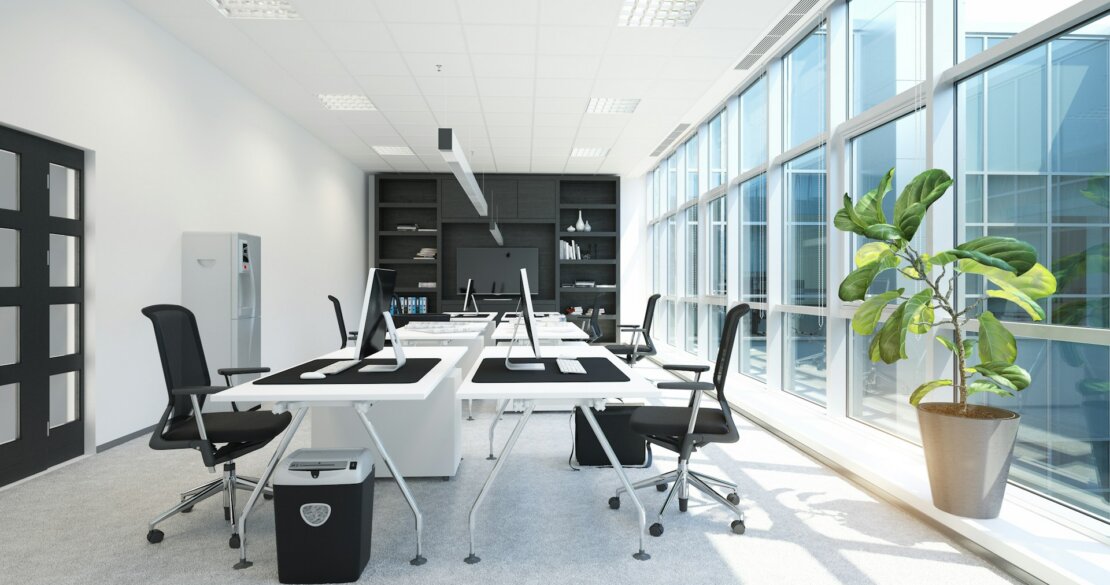
Daylight and views are a good starting point. People usually feel better when they can see outside and enjoy natural light without glare or excess heat. We look for ways to:
- Place windows to capture steady daylight
- Use shading and overhangs to reduce direct summer sun
- Select glazing that limits heat gain while keeping views clear
In July heat, this balance becomes especially important. The goal is light that supports focus, not harsh sun that raises temperatures and forces blinds to stay closed all day.
Healthy air and thermal comfort are just as important. Good ventilation, thoughtful material choices, and smart zoning all support indoor air quality. Separate temperature zones can help match conditions to the way spaces are used, like cooler meeting rooms and more stable temperatures in shared work areas. When systems are designed with efficiency in mind, buildings can stay comfortable without wasting energy.
Acoustic and sensory comfort often gets less attention, but it shapes daily experience. Careful planning can limit noise from traffic, equipment, or busy hallways. Balanced lighting, both natural and electric, reduces eye strain. Clear wayfinding helps people move without stress, so they can focus on their purpose instead of worrying about getting lost.
Designing Spaces That Invite Movement and Connection
Commercial buildings that support everyday well-being invite people to move more and connect more. Movement does not have to be intense exercise. It can be as simple as choosing the stairs, walking to a shared break area, or stepping outside between meetings.
We often look for ways to:
- Make stairs visible, pleasant, and well-lit
- Shape circulation routes that create natural walking loops
- Link indoor corridors to outdoor paths or plazas
When it feels easy and natural to move, people are less likely to sit for long stretches, which can support physical comfort and mental clarity.
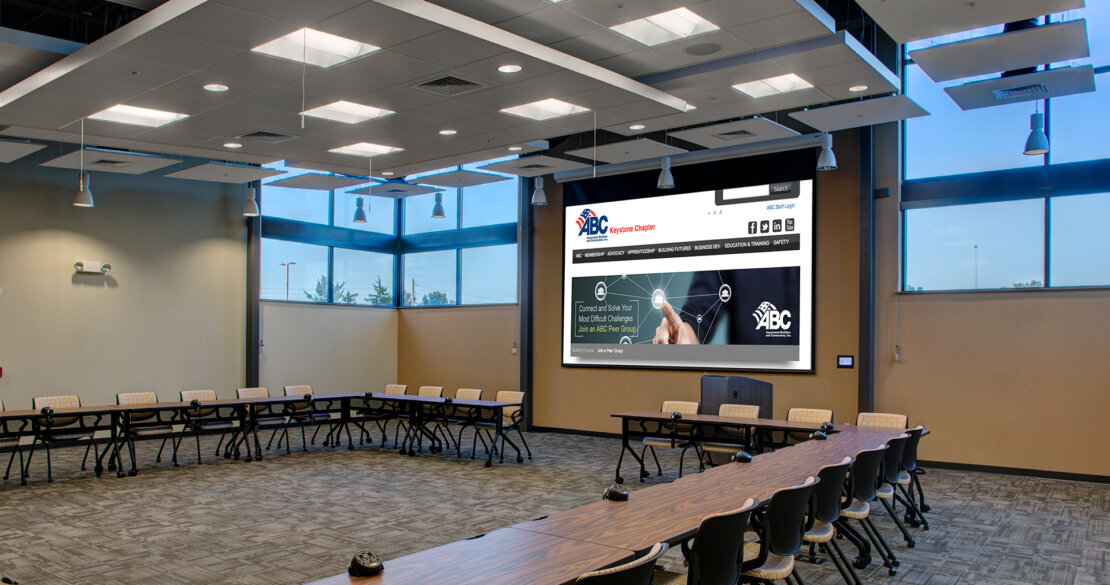
Connection is another key piece of well-being. Flexible gathering spaces, outdoor terraces, plazas, and shared amenities can support casual chats, planned meetings, and larger community events. In warm weather, shaded outdoor seating or rooftop spaces can act as natural extensions of interior work areas, giving people room to breathe and reset.
An inclusive, accessible environment holds all of this together. Barrier-free entries, clear wayfinding, comfortable seating options, and adaptable layouts help ensure that people of all ages and abilities feel welcome. When everyone can move through a building with confidence, the social life of the place becomes stronger.
Sustainability as a Foundation for Long-Term Well-Being
Sustainable design and well-being are deeply connected. When a building uses energy wisely, manages heat, and responds to its local climate, the people inside usually feel the benefits day after day.
High-performance envelopes and efficient mechanical systems help keep interiors comfortable in summer without excessive energy use. Thoughtful shading strategies, especially on east and west facades, can limit heat gain during hotter months while still allowing daylight where it matters. Smart system controls can tune performance to match occupancy and outdoor conditions.
Biophilic and nature-connected design adds another layer. Bringing greenery into lobbies, atriums, and terraces, creating outdoor rooms or green roofs, and using natural materials where possible can support mental restoration. Spaces that connect people to daylight, views of trees, and the changing seasons often feel calmer and more grounded.
Resilient, future-ready infrastructure is part of caring for community well-being. Strategies like flood-resistant site design, durable materials, and flexible systems can reduce damage during storms and help buildings return to normal use more quickly. When commercial buildings stay functional in challenging times, they support both safety and economic stability.
Flexible Commercial Spaces That Evolve with Everyday Life
Everyday life changes, and commercial building design needs to keep up. Multi-use planning helps spaces adapt as needs shift, without constant major renovation. A floor plate that works for office today might need to support healthcare, education, or mixed-use tomorrow.
We often think about:
- Structural grids that work for different layouts
- Floor-to-floor heights that allow system changes over time
- Flexible core locations that support multiple tenant types
Technology-ready environments are another part of this flexibility. Planning for strong digital infrastructure, smart building systems, and hybrid work patterns can support well-being by giving people choice and control. When technology runs quietly in the background, people can move between in-person and virtual work with less friction.
Seasonal shifts also matter. Operable windows where appropriate, adjustable shading, flexible outdoor spaces, and interior zones that can respond to different occupancy patterns all help a building stay comfortable and inviting from summer heat to winter cold. When spaces adapt to the weather, people can use more of the building more of the year.
At SAAarchitects, we see well-being as a design mandate that sits alongside budget, schedule, and aesthetics. When owners, developers, and community leaders treat well-being as a core performance goal, commercial buildings become steady supports for healthier people, stronger communities, and resilient, sustainable futures.
Get Started With Your Project Today
If you are ready to move from ideas to a buildable plan, our team at SAAarchitects is here to help you shape a smarter facility from the ground up. Explore our approach to commercial building design to see how we balance efficiency, safety, and long-term value. Then reach out through our contact page so we can discuss your goals, timeline, and next steps in detail.