Each fall, the sound of school bells signals not just the start of a new academic year, but also a renewed focus on the environments where learning happens. Schools aren’t just spaces to teach, but environments that inspire, influence, and shape the next generation. Inside these walls, students are making new friends, learning new concepts, and figuring out their place in the world.
The design of educational institutions plays a significant role in students’ learning experiences, influencing their engagement, motivation, and even well-being. As such, architects owe it to kids to create learning environments that enhance academic performance, promote health and happiness, and evolve with their changing needs.
As we head back to school this autumn, it’s worth asking: are our learning spaces truly equipped to do this, and are they built to last?
The Impact of Design on Student Learning
Imagine, for a moment, that you’re a child again. You’ve arrived for the first day at your new school, and you’re bubbling over with excitement. However, once inside, those feelings are quickly crushed when you look around the dark, dank classroom.
There is almost no natural light, the air feels stuffy, the room is cramped, and you can hear cars rushing by outside.
Design elements, such as natural light, acoustics, and ventilation, impact students’ ability to learn. When designing optimal educational spaces, architects must consider these important factors:
- Enhanced Motivation and Engagement: Open layouts and bright natural light stimulate senses and create more engaging learning environments, promoting participation.
- Improved Academic Performance: Researchers from the University of Salford, Manchester, have found a direct correlation between a well-designed classroom and student achievements. Thoughtfully designed spaces boost learning progress by up to 16% in a single year. Factors like air quality, color, and light all play a role in student performance.
- Mental and Physical Wellness: A well-designed classroom creates a sense of belonging and supports positive mental health. Spaces should encourage movement and physical activity.
- The Role of Color: Warm tones boost creativity, while greens and blues can make nervous students feel calmer.
- Noise and Acoustics: Don’t let outside chaos impact learning. Proper acoustics are crucial for creating a conducive learning environment.
- Accessibility and Inclusivity: Classrooms should be designed to accommodate students of all ability levels. This involves creating an inclusive and accessible environment that is easy to navigate, utilizing adaptable furniture, and providing suitable assistive technology.
By incorporating all of these factors into design, architects can create spaces that empower, inspire, and make all students feel safe and comfortable.
The Changing Face of Education
In addition to individual students, architects must also consider evolving teaching methods and emerging technologies when designing learning facilities.
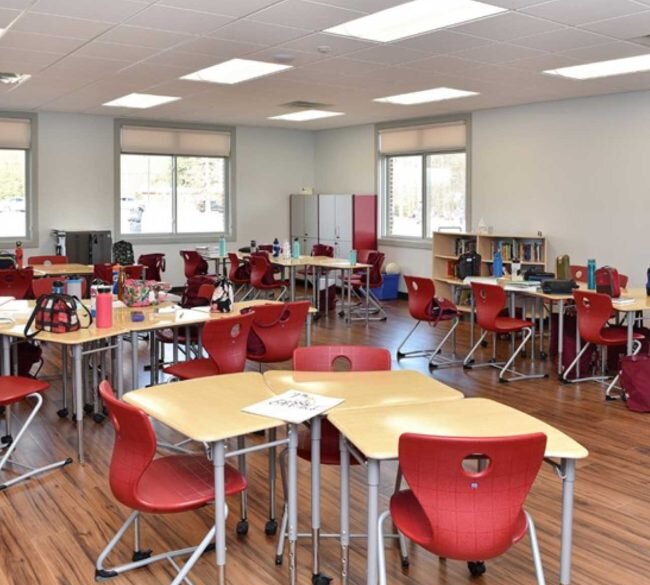
The traditional classroom—rows of desks facing a chalkboard—is giving way to more intuitive, interactive spaces. Today’s students work in groups, access digital resources, and participate in project-based learning. For architects, the challenge is to design spaces that support these teaching strategies while allowing for future changes.
Flexibility is essential. This involves incorporating movable walls, modular furniture, and multipurpose spaces that can adapt to new pedagogies. Open learning commons, breakout areas, and tech-ready classrooms enable educators to teach in ways that best suit their students.
Sustainability is also of utmost importance. Architects must incorporate design strategies that minimize energy consumption, conserve water, and reduce long-term operational costs. From solar-ready rooftops to stormwater management systems, these methods create schools that are not only environmentally responsible but also economically intelligent.
When designing educational facilities, architects should always ask: How can this space serve the school not just today, but 20 years from now? With thoughtful planning and adaptable design, architects can plan for the capacity of growth and innovation.

Community-Centered Design
Schools are often the heart of their neighborhoods. They serve not just students, but also families and the broader community.
Architectural designers must place a strong emphasis on stakeholder engagement by collaborating closely with administrators, teachers, parents, and students throughout the design process. By listening carefully to community needs and values, they ensure buildings feel personal, relevant, and inspiring.
Schools should also offer flexible spaces for after-school programs, community events, and civic use. A gymnasium can double as a town meeting hall. A media center can become a tech lab for adult learners. These dual-purpose spaces allow schools to extend their impact beyond the school day.
SAAarchitects Designs Inspiring, Inclusive Educational Spaces Built to Last
As summer fades and the new school year begins, students will once again step into buildings that shape their sense of possibility.
SAAarchitects creates educational spaces that enhance learning, promote physical and emotional well-being, and strengthen communities. We believe that in a time of significant change, schools must be resilient, adaptable, and inspiring.
Because when it comes to education, we’re not just going back to school. We’re building the future.