As we begin our holiday shopping, the hefty price tags lining the shelves of supermarkets and retail aisles serve as a stark reminder of the rising cost of living. And as colder temperatures and longer nights set in, everyone deserves a safe, comfortable, and affordable place to call home.
Unfortunately, the harsh reality is that America faces a shortage of 7.1 million affordable housing units. There are just 35 affordable rental homes available for every 100 extremely low-income renters. In York, PA, there are only about 1,066 of these units, scattered throughout both the city and county.
As the cost of living continues to rise, architects must step up to the challenge. Developing beautiful, budget-friendly living spaces is the foundation for enhanced overall well-being of individuals, families, and communities.
What Is Affordable Housing and Why Is It Important?
Affordable housing refers to homes that are priced so that low- to moderate-income individuals and families can afford to rent or buy them comfortably. “Affordability” is typically determined by comparing housing costs to a percentage of the area’s median income or to a household’s income relative to local housing expenses. In general, rent or mortgage payments for affordable housing should not exceed 30% of a household’s gross monthly income.
Providing affordable housing options offers valuable benefits to both the community as a whole and its residents, including:
- Financial Stability: Affordable housing frees up more money for other essential needs, like healthcare, food, and savings.
- Health and Well-Being: Having the peace of mind knowing that they can cover their mortgage or rent bills reduces stress for occupants and provides a secure environment that leads to better health outcomes.
- Reduced Homelessness: One of the leading causes of homelessness is unaffordable housing. Low-cost housing programs are a direct way to prevent and end this epidemic.
- Educational Opportunities: Stable housing lets children thrive. They can focus more on school, which leads to better academic and economic opportunities later in life.
Additionally, affordable housing programs spur economic growth, support community diversity, enhance social stability, and enable more workers to live in the communities they proudly serve.
Overcoming the Biggest Obstacle: Market Factors
While socially responsible architectural firms strive to develop more affordable housing in their communities, market-rate housing is a leading obstacle they often face.
Significant growth in cities has led to increased gentrification and a surge in the construction of luxury housing. This, in turn, has displaced lower-income families and newcomers to more peripheral areas. The “American dream” in these cities is only available to those who can afford it. And these residents demand large, suburban-style homes, complete with eat-in kitchens, expansive outdoor spaces, and multiple bedrooms.
Housing structures, once divided into multiple units, are becoming large single-family townhomes or condos, further shrinking the market offerings for people living on modest budgets.
A few creative solutions that may resolve these conflicting market factors are:
- Micro-Housing: Some communities are experimenting with micro-housing. These one-room living spaces are equipped with sitting and sleeping areas, as well as kitchenettes. By offering smaller footprints, shared amenities, and more communal areas, micro-housing helps combat affordable urban housing challenges while fostering a deeper sense of community.
Modular Construction: Fully fabricated housing units can save property owners up to 20% compared to traditional building techniques. And since these structures are developed off-site, they are less dirty and noisy, and can be assembled faster than conventional builds.
How SAAarchitects is Stepping Up: Smart Strategies for Balancing Beauty and Budget
Our York architect and design firm strives to develop comfortable, attractive, affordable residential spaces for residents of our community and beyond. We do this by:
Collaborating from Day One
Successful affordable housing starts long before the first drawing is sketched. Our process is rooted in collaboration, with careful listening to developers, city officials, funding agencies, residents, and builders.
By bringing everyone to the table early, we can align expectations, identify challenges, balance market factors, and create a shared vision that keeps both cost and quality at the forefront.
Embracing Reuse
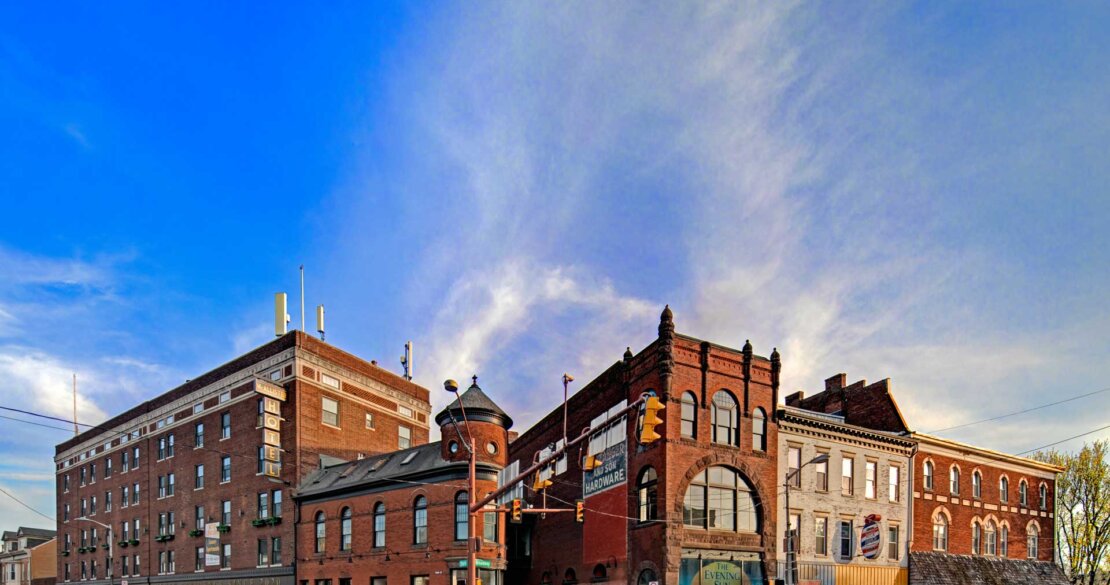
One of the forward-thinking strategies we often use is adaptive reuse. York has numerous historic and underutilized buildings, many of which have good bones and strong community ties.
Reimagining these spaces for affordable housing not only preserves the character of our city but also helps manage costs by leveraging existing infrastructure.
Designing for Long-Term Sustainability
Long-term sustainability and lower energy use directly translate into lower utility bills for residents.
From thoughtful insulation strategies and daylighting to energy-efficient HVAC systems and durable materials, we prioritize design decisions that minimize costs over the building’s lifespan.
Doing More with Less
Working within budget doesn’t mean sacrificing creativity. We focus on finding innovative, cost-effective solutions that add value where it matters most.
By simplifying construction methods, standardizing unit layouts, and collaborating closely with contractors, we help clients maximize their budgets without compromising on durability or comfort.
Rethinking Affordable Housing in York
When we think about future affordable housing projects in York, we imagine developments that reflect the city’s architectural charm while addressing modern market needs. Picture a mid-sized building near downtown, perhaps repurposed from a former warehouse, offering 40 to 60 thoughtfully designed units.
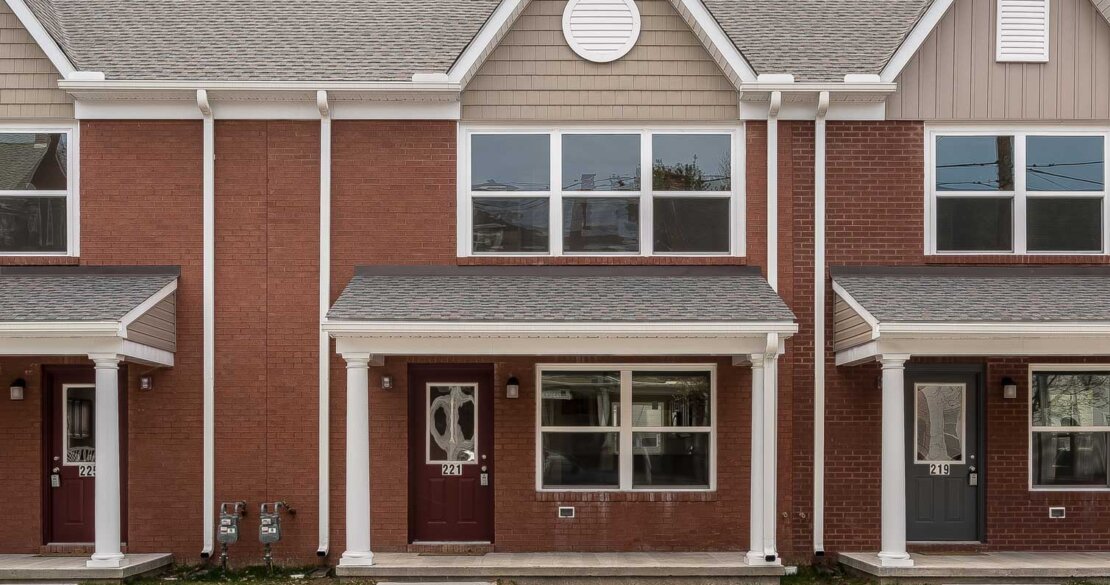
The facade might use brick or masonry to echo York’s historic character, with welcoming porches and shared green spaces that promote community. Inside, energy-efficient systems and durable finishes keep operating costs manageable. The project could be connected to nearby transit, local shops, and parks, supporting both affordability and quality of life.
By partnering with local housing organizations and funding programs, such as York County’s HOME Investment Partnership, our York interior design team can help make developments like this feasible. It’s about aligning vision, financing, and design so that affordability and beauty work together.
If your organization is exploring an affordable housing project, we’d love to collaborate.
Together, we can design homes that not only meet affordability goals and accommodate shifting market demands but also enrich the lives of everyone who calls York home.